
Một video clip cận cảnh bác sĩ khám ngực, hướng dẫn nữ bệnh nhân chăm sóc bộ ngực mới nâng đang gây tranh cãi trên mạng xã hội facebook.
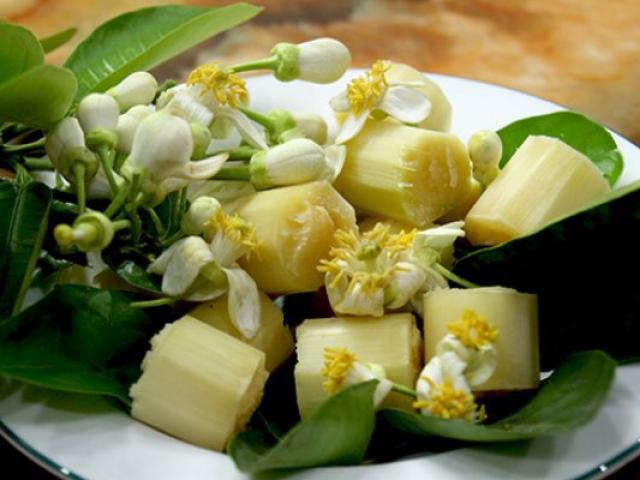

Chế độ ăn uống trong thời gian điều trị ung thư là một vấn đề mà rất nhiều người còn băn khoăn. Nhưng thực sự thì bạn không cần một chế độ ăn cầu kì. Dưới đây là một vài gợi ý đơn giản của Ts.Bs. Trương Hồng Sơn - Viện Y học Ứng dụng Việt Nam giúp bạn cảm thấy việc ăn uống trở nên dễ dàng và ngon miệng.
Trước điều trị
Bạn nên tập trung vào các thực phẩm lành mạnh trước khi bắt đầu điều trị. Chế độ dinh dưỡng tốt sẽ giúp bạn khỏe mạnh hơn và giảm nguy cơ nhiễm trùng.
Đây cũng là thời điểm tốt để lập kế hoạch cho những ngày bạn không muốn chế biến bất cứ thứ gì để ăn. Hãy dự trữ trong tủ lạnh những thực phẩm lành mạnh, đặc biệt là những loại ít cần chế biến. Hạt dẻ, sữa chua, táo, rau, ngũ cốc nguyên hạt là một số lựa chọn mà bạn có thể dùng. Bạn cũng có thể cất vào ngăn đá một số món ăn ưa thích của mình.
Bạn cũng có thể nhờ một vài người bạn hoặc gia đình mang cho bạn thức ăn trong những ngày đầu điều trị.
Trong quá trình điều trị
Bạn có thể có những ngày cảm thấy rất hứng thú với đồ ăn nhưng lại có những khi không muốn ăn gì cả.
Vào những ngày có "tâm trạng" ăn uống, hãy ăn nhiều protein và năng lượng. Điều đó sẽ giữ cho cơ thể khỏe mạnh và giúp cải thiện những ảnh hưởng từ việc điều trị của bạn.
Những thực phẩm giàu protein bao gồm:
Thịt nạc, thịt gà, cá
Trứng
Đậu và các loại hạt
Phô mai, sữa và sữa chua
Cố gắng tăng cường ăn rau củ quả. Bao gồm các loại rau có màu xanh đậm và vàng sẫm, và trái cây như cam và bưởi. Những thực phẩm có màu sắc sặc sỡ chứa nhiều chất dinh dưỡng lành mạnh.
Uống nhiều nước: bạn cần uống ít nhất 8 cốc nước mỗi ngày, cả nước lọc và nước hoa quả. Nó sẽ giúp bạn bổ sung vitamin và tránh mất nước.
Điều quan trọng là bạn không nên ăn thịt, cá, gia cầm sống hoặc không được nấu chín kĩ, các đồ ăn và thức uống không tiệt trùng.
Ăn bất cứ khi nào bạn cảm thấy đói. Bạn có thể uống những thức uống giàu dinh dưỡng trong những ngày bạn không muốn ăn và chia thành 5-6 bữa nhỏ thay vì 2-3 bữa lớn trong ngày.
Bạn cũng nên ăn những đồ ăn nhẹ như sữa chua, ngũ cốc, phomai và báng quy hoặc súp. Nếu bạn đang điều trị hóa trị, bạn nên ăn các bữa ăn nhỏ hoặc đồ ăn nhẹ để hạn chế buồn nôn.
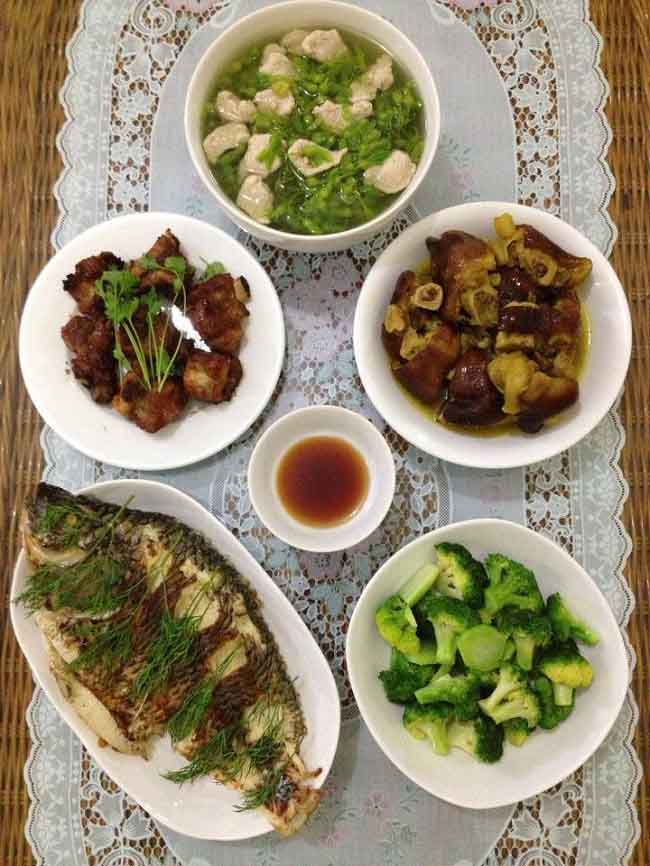
Không cần một chế độ ăn cầu kì nhưng cần ăn đủ để cơ thể có năng lượng và chất dinh dưỡng duy trì sức khỏe trong quá trình điều trị ung thư. Ảnh: Minh họa
Kiểm soát các tác dụng phụ
Có nhiều tác dụng phụ khi điều trị ung thư có thể làm bạn chán ăn nhưng một vài mẹo nhỏ có thể giúp bạn khắc phục các vấn đề này.
Nôn, buồn nôn: Tránh chất béo, dầu mỡ hoặc thức ăn cay, hay những món có mùi mạnh. Ăn các thực phẩm khô như bánh quy giòn hoặc bánh mì nướng mỗi vài giờ. Nhấp một ít chất lỏng như nước canh, nước uống thể thao và nước lọc.
Các vấn đề về họng và miệng: Đối với các vết loét, đau hoặc khó nuốt, bạn nên ăn thức ăn mềm. Tránh những thức ăn thô hoặc hỗn tạp, và nhiều gia vị hay thức ăn có tính axit. Ăn khi đồ ăn còn ấm (không quá nóng hoặc lạnh). Và sử dụng một ống hút cho các món súp hoặc đồ uống.
Tiêu chảy và táo bón: Đối với tiêu chảy, điều quan trọng là bạn cần cung cấp đủ nước. Uống nhiều nước, và giảm bớt thực phẩm nhiều chất xơ như ngũ cốc nguyên hạt và các loại rau. Nếu bạn đang bị táo bón, từ từ thêm các thực phẩm giàu chất xơ vào chế độ ăn của bạn cùng với việc bổ sung đủ nước.
Thay đổi khẩu vị: Điều trị có thể làm ảnh hưởng đến vị giác của bạn. Những thứ mà bạn không thích trước đó có thể trở nên ngon lành ở hiện tại. Vì vậy, hãy thử ăn các thức ăn mới.
“Chế độ ăn chống ung thư”
Nhiều người tin rằng một chế độ ăn “đặc biệt” có thể hạn chế hoặc đẩy lùi ung thư. Không ít người từng cho rằng, nên ăn chay khi bị ung thư. Nhưng trước khi bạn thực hiện bất kì một thay đổi lớn nào, hãy nói chuyện với bác sĩ của mình.
Không có một chế độ ăn nào có thể chữa khỏi ung thư. Không có một nghiên cứu nào chứng minh răng một chế độ ăn kiêng có thể giảm nguy cơ tái phát ung thư. Điều tốt nhất mà bạn nên thực hiện là có một chế độ ăn uống cân bằng với thịt nạc, hoa quả, rau, ngũ cốc nguyên hạt và sữa ít béo; hạn chế đường, muối, cà phê và rượu.

Theo Ts.Bs. Trương Hồng Sơn - Viện Y học Ứng dụng Việt Nam, không ít người từng cho rằng, nên ăn chay khi bị ung thư. Nhưng trước khi bạn thực hiện bất kì một thay đổi lớn nào, hãy nói chuyện với bác sĩ của mình.
Theo các bác sỹ, rất nhiều bệnh có thể gây vàng da. Để xác định nguyên nhân gây vàng da cần thăm khám lâm sàng và các...


Không kiểm soát được việc xuất tinh, xuất tinh ngay khi vừa “lâm trận“…là những dấu hiệu nhận biết xuất tinh sớm ở...


Bác sĩ chuyên khoa tiết niệu Kevan R.Wylie thuộc Bệnh viện Hoàng gia Hallemshire và bác sĩ Ian Eardley thuộc Bệnh viện St James (Anh) cho biết thực chất hội chứng dương vật nhỏ là một dạng lo âu do người bệnh tự tưởng tượng.
"Đàn ông thường rất quan tâm đến kích thước của dương vật và thường trở nên tự đưa mình vào sự tự ti không đáng có khi luôn sợ rằng "cậu bé" của mình không lớn bằng người khác dù họ hoàn toàn bình thường. Vấn đề là suy nghĩ này không tự biến mất mà dễ trở nên trầm trọng hơn", Wylie cho biết.

Ngày càng nhiều nam giới mắc phải “hội chứng dương vật nhỏ”.
Các nghiên cứu cho thấy, dương vật khi cương cứng trung bình dài khoảng 14 đến 16cm. Nó chỉ bị xem là nhỏ nếu đạt chiều dài dưới 7 cm. Dù rất ít đàn ông nằm trong số này nhưng có tới 45% muốn có dương vật lớn hơn.
Vì vậy, không có gì đáng ngạc nhiên khi những từ khóa “phương pháp kéo dài dương vật” lại được rất nhiều người quan tâm. Tuy nhiên, bác sĩ Wylie và Eardley lưu ý rằng, có rất ít nghiên cứu đánh giá cao các phương pháp này nếu không muốn nói gần như chúng không hề mang lại bất kỳ lợi ích thực sự nào. Ngay cả việc phẫu thuật tạo hình cũng chứa đựng nhiều biến chứng nghiêm trọng có thể xảy ra.
Đàn ông tự mình chuốc lấy nỗi lo sẽ dễ dẫn đến chứng trầm cảm, ngại tiếp xúc với người xung quanh, ám ảnh sợ sẽ không làm vừa lòng bạn tình… dù không hề trục trặc gì.
Theo Wylie, vấn đề đáng nói là bệnh nhân thường bị các bác sĩ phớt lờ với nỗi lo vô hình này. Không nhận được sự giúp đỡ kịp thời, người bệnh sẽ càng ám ảnh và dễ dàng tìm đến những phương pháp nguy hiểm ấy. Vì vậy, Wylie và Eardley khuyên các nhà điều trị tiết niệu nên quan tâm nghiêm túc đến đến việc giáo dục, tư vấn và sử dụng các liệu pháp tâm lý cho nam giới.
Dường như quý ông nào cũng đặc biệt quan tâm về kích thước về sức khỏe "cậu nhỏ" của mình. Muốn biết "cậu...
DASH (Tiếp cận thức ăn để ngừng tăng huyết áp) là một chế độ ăn uống đặc biệt có tác dụng giảm huyết áp, giảm cholesterol, phòng ngừa đột quỵ và suy tim cũng như cân bằng trọng lượng cơ thể. Ngoài ra, đây được coi là phương pháp ăn uống tốt nhất để phòng ngừa bệnh tiểu đường.
Đây là chế độ ăn rất giàu kali, magiê, canxi và chất xơ. Đồng thời cũng là chế độ ăn nhiều trái cây, rau, ít chất béo hoặc không có chất béo, sử dụng các loại ngũ cốc nguyên hạt ít tinh chế so với chế độ ăn thông thường.
Chế độ ăn DASH cung cấp nhiều nguyên tố vi lượng và vitamin cần thiết cho cơ thể con người. Nó rất dễ thực hiện vì không có khung thời gian áp dụng cố định. Ngoài việc cân bằng huyết áp, chế độ ăn này còn có thể giúp giảm cân một cách lành mạnh.
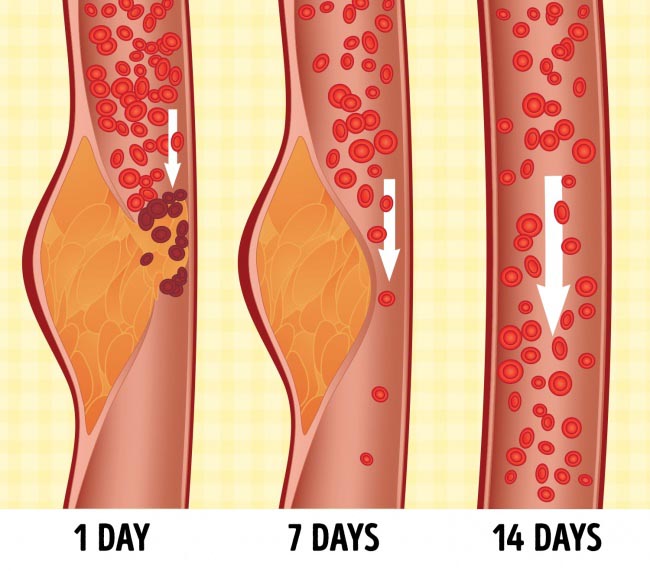
DASH giúp giảm huyết áp, giảm cholesterol, phòng ngừa đột quỵ, suy tim…
1. Các quy tắc cơ bản:
- Uống 2 lít chất lỏng mỗi ngày.
- Ăn 5 lần mỗi ngày, mỗi lần không quá 215g.
- Lượng calorie hằng ngày: khoảng 2.000-2.500 kcal.
- Không ăn kẹo quá 5 lần/tuần.
- Ăn nhiều ngũ cốc, hạt, đậu, thịt nạc và rau.
- Tránh uống soda hoặc rượu.
- Chỉ ăn tối đa 8 bữa phụ/ngày (ngoài các bữa ăn cơ bản) nhưng chỉ ăn khi thực sự cảm thấy đói.
- Tuyệt đối tránh xa rượu và thuốc lá.
- Giảm lượng muối tiêu thụ từ 10- 15gram mỗi ngày.
- Chế độ ăn uống nên bao gồm bánh mì và lúa mì.
- Không ăn các thực phẩm hun khói hoặc mỡ, dưa chua, bánh ngọt, cá hộp và thịt.
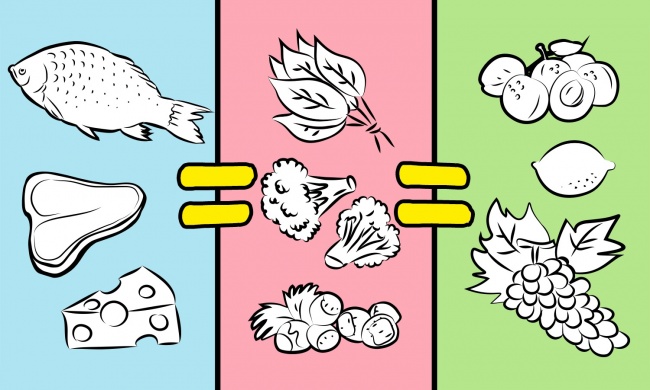
DASH là chế độ ăn nhiều trái cây, rau, ít chất béo, sử dụng các loại ngũ cốc nguyên hạt ít tinh chế.
2. Các loại thực phẩm cần bổ sung
- Ngũ cốc: không dưới 7 phần/ngày (1 phần ăn bao gồm một ổ bánh mì, 1/2 chén mì ống nấu chín, 1/2 chén cháo).
- Trái cây: không quá 5 phần/ngày (1 phần ăn bao gồm 1 quả bất kỳ, 1/4 chén trái cây sấy khô, 1/2 chén nước trái cây).
- Rau: 5 phần ăn/ngày (1 khẩu phần bao gồm 1/2 chén rau luộc).
- Các sản phẩm sữa không béo: 2-3 phần/ngày (1 khẩu phần bao gồm 50g phô mai hoặc 0.15 lít sữa).
- Rau mầm, đậu, hạt: 5 khẩu phần/ tuần (1 khẩu phần bao gồm 40g).
- Chất béo động vật và thực vật: 3 phần/ngày (1 khẩu phần bao gồm 1 muỗng canh dầu olive hoặc hạt lanh).
- Các món ăn ngọt: không quá 5 lần/tuần (1 thìa mật ong hoặc mứt).
- Chất lỏng: 2 lít/ngày (nước, trà xanh, nước trái cây).
- Protein: 0.2 kg thịt nạc hoặc cá, trứng.
3. Các loại thực phẩm cần tránh
- Đồ ăn nhanh và khoai tây chiên
- Rượu bia, thuốc lá
- Đồ ăn đóng hộp và xúc xích
- Đồ ăn nhiều dầu mỡ
- Bánh, kẹo và những đồ ngọt khác
- Đồ uống có ga
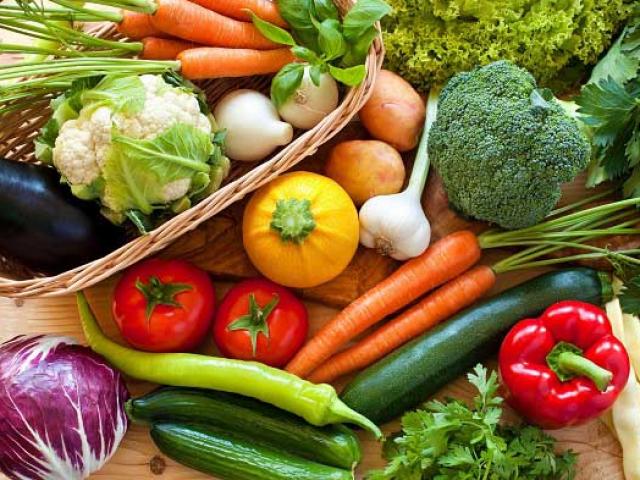
Theo đánh giá của các chuyên gia về ung thư, dinh dưỡng không hợp lý và không an toàn là một trong những nguyên nhân gây căn...
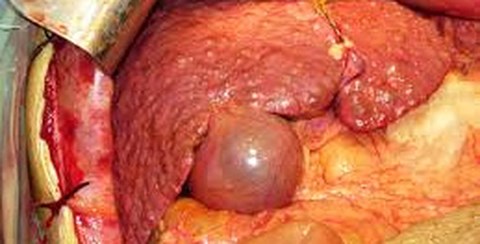
Ảnh minh hoạ.
Phát hiện vì khám bệnh tình cờ
Anh Nguyễn Văn H. 33 tuổi, trú tại Hoàng Mai, Hà Nội đi kiểm tra sức khỏe vì thấy người mệt, da vàng, mắt vàng hơn bình thường. Anh H. kể chỉ đi kiểm tra cho chắc ăn. Nhưng khi làm xét nghiệm AFP chỉ số cao bất thường nên bác sĩ khuyên anh đi siêu âm và kiểm tra thêm chức năng gan.
Kết quả, anh H. cho biết vừa siêu âm bác sĩ đã thấy khối u trong gan có kích thước 3,5 – 5 cm và bác sĩ nghi ngờ ung thư gan.
Sinh thiết giải phẫu tế bào học là ung thư tế bào gan.
Anh H. kể cách đây hai năm chú ruột anh ở quê cũng mất vì ung thư gan và khi phát hiện khối u gan cũng tương tự như thế này. Khi thấy mình có u trong gan cảm giác của anh thực sự sốc. Điều anh lo lắng nhất đó là con gái anh mới chào đời được hơn 1 tháng.
Anh H. được bác sĩ tư vấn hóa trị và phẫu thuật vì u lớn. Sau khi cân nhắc kinh tế và được các bác sĩ động viên, anh H. đã bắt đầu điều trị.
Nhưng bản thân anh H. không có dấu hiệu của bệnh gì ngoài thấy mệt mỏi và có dấu hiệu da vàng hơn. Bạn bè hay vợ anh còn đổ chắc do anh uống rượu nhiều nên vàng da vì không có đau đớn gì để xác định được bệnh.
Ông Nguyễn Văn L. 61 tuổi, Hưng Yên cũng bị ung thư gan khi vô tình đi kiểm tra sức khỏe. Bị nhiễm viêm gan vi rút C 3 năm nay, ông L. đã điều trị ổn định và gần đây thấy vàng lòng bàn tay, đau hạ sườn phải nên đến viện kiểm tra thì bác sĩ kết luận ông bị ung thư gan.
Dấu hiệu nhận biết
Theo GS Mai Trọng Khoa – Giám đốc Trung tâm y học hạt nhân và ung bướu, Bệnh viện Bạch Mai hiện nay ung thư gan là nguyên nhân đứng hàng thứ ba gây tử vong do ung thư trên toàn thế giới, tỷ lệ mắc ung thư gan cao nhất ở châu Á và Châu Phi nơi có tỷ lệ mắc viêm gan vi rút cao.
Tại Việt Nam theo ghi nhận của cơ quan ung thư quốc tế được công bố trên GLOBOCAN năm 2012, tỷ lệ mắc ung thư gan chuẩn theo tuổi ở nam giới là 40,2/100 nghìn dân, phổ biến đứng hàng thứ hai ở nữ giới là 10,9/100 nghìn dân phổ biến đứng hàng thứ ba.
Ung thư gan bao gồm có ung thư gan nguyên phát và ung thư gan thứ phát. Ung thư gan nguyên phát hay còn gọi là ung thư gan biểu mô tế bào gan là khối u ác tình phát triển từ tế bào gan. Khác với ung thư gan thứ phát là loại ung thư từ một cơ quan khác của cơ thể di căn đến gan.
Nguyên nhân của ung thư gan là xơ gan, thực tế lâm sàng nhận thấy có 70 – 80 trường hợp ung thư gan phát triển trên xơ gan. Ở Pháp, chứng nghiện rượu la nguyên nhân gây xơ gan đối với 90 % nam giới và 70% nữ giới, trong đó có 10 – 20 % ung thư hóa. Nhật Bản, Việt Nam và một số nước châu Á, Châu Phi thì 80 - 90% ung thư gan phát triển từ xơ gan do viêm gan vi rút B và C.
Viêm gan vi rút B được xem là nguyên nhân quan trọng nhất gây ung thư gan đặc biệt là ở châu Á, châu Phi. Những người mắc viêm gan B có nguy cơ bị ung thư gan cao gấp 200 lần so với những người không mắc viêm gan B.
Có khoảng 15-20 % xơ gan do nhiễm vi rút viêm gan B biến chứng thành ung thư gan. Ngoài ra, viêm viêm vi rút C đang có xu hướng gia tăng và đã có sự liên quan giữa viêm gian vi rút viêm gan C và ung thư gan.
Tại nước ta, đa số bệnh nhân thường đến khám bệnh khi đã ở giai đoạn muộn, các biểu hiện của bệnh khá rõ ràng nên việc chẩn đoán không khó.
Các triệu chứng của ung thư gan có thể bao gồm mệt mỏi, gầy sút cân, chán ăn, kém ăn, buồn nôn, nôn, đau thượng vị hạ sườn phải, đau thượng vị, vàng da và củng mạc mắt vàng. Triệu chứng khởi đầu cũng thường gặp trên các bệnh nhân xơ gan đột ngột xuất hiện biến chứng.
Các triệu chứng ung thư gan ở giai đoạn sớm thường mơ hồ, người bệnh ít chú ý tới nên những người mắc các bệnh lý về gan như xơ gan, viêm gan mãn tính cần kiểm tra sức khỏe thường xuyên để phát hiện ung thư gan.

Theo các bác sĩ, bệnh ung thư gan xảy ra phổ biến ở nam giới nhưng nữ giới bệnh này cũng nhiều chủ yếu nguyên nhân là...
Các nhà khoa học thuộc Trung tâm Dữ liệu về các gia đình có di truyền ung thư buồng trứng, Viện Ung thư Roswell Park (New York - Mỹ), đã xác định được gen gây ung thư buồng trứng mang tên MAGEC3 nhờ cuộc nghiên cứu dựa trên 3.000 người đã trở thành bà nội/bà ngoại và con cháu của họ. Trong nghiên cứu, có những hồ sơ gia đình được theo dõi đến 35 năm.
Nếu người cha mang gene MAGE3, 100% những đứa con trai và gái sẽ phải "thừa kế" nó - ảnh minh họa từ Internet
Gene mới này cũng nằm trên nhiễm sắc thể X như các gene liên quan đến ung thư phụ khoa khác nhưng điểm đặc biệt là nó cũng tồn tại ở các thành viên nam. Họ đã phát hiện ra điều này khi có những gia đình, những đứa con gái đều mang gene gây bệnh này, nhưng nó lại không tồn tại trên cả hai nhiễm sắc thể X của người mẹ. Nói cách khác, nó được di truyền từ cha và xuất hiện cả trong nhiễm sắc thể X của ông hoặc bà nội đứa trẻ.
Theo GS-BS Krishnansu Tewari, quyền Giám đốc Phòng khám Ung thư phụ khoa, Đại học California, đứa trẻ sẽ có nguy cơ mang gene bệnh gấp đôi nếu chẳng may nó di truyền từ phía họ nội. Người mẹ có hai nhiễm sắc thể XX và mang gene bệnh ở một trong hai nên có 50% nguy cơ truyền bệnh cho con. Người cha có bộ nhiễm sắc thể XY và chắc chắn truyền cho con gene mang bệnh của mình.
Tuy không phổ biến bằng nhóm gene gây ung thư vú – ung thư buồng trứng BRCA nhưng gene này cũng đủ nguy hiểm. Tuổi trung bình của ung thư buồng trứng là 65. Với những người mang gene, họ thường bị ở tuổi 45. Trước giờ, người ta chỉ nghĩ đến nguy cơ ung thư buồn trứng khi trong gia đình có những người phụ nữ như bà, mẹ mắc bệnh mà bỏ sót nguy cơ di truyền từ cha.
Trong khi đó, theo Hiệp hội Ung thư Mỹ, chỉ có 45% người mắc ung thư buồng trứng sống sót trên 5 năm dù được điều trị. Khảo sát diện rộng năm 2015 cho thấy có khoảng 1,5 người mắc bệnh này trên toàn thế giới.
Tuy người đàn ông mang gene không có buồng trứng và không thể bị ung thư buồng trứng, nhưng gene này có thể làm tăng nguy cơ các loại ung thư khác nơi họ, nhất là ung thư tuyến tiền liệt. Các nhà khoa học vẫn đang tiếp tục nghiên cứu về MAGEC3 để biết thêm về tỉ lệ nguy cơ và cơ chế mà nó gây ung thư.
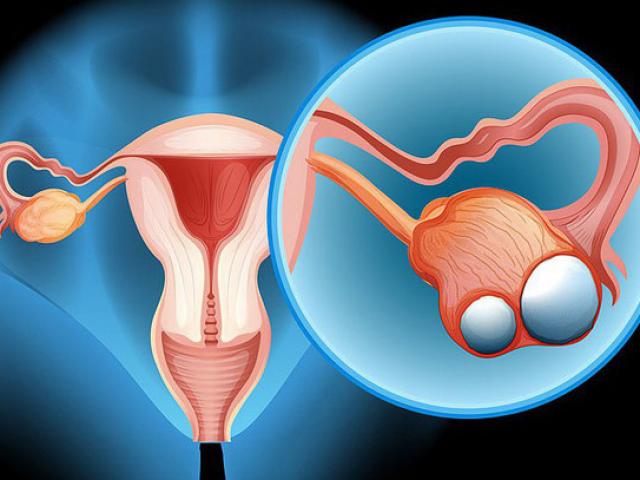
Thuốc tránh thai được biết là có liên quan với giảm tỉ lệ ung thư buồng trứng, song một nghiên cứu mới đây cho thấy,...

Posted by Dr-Pete
Early search engines were built on an unspoken transaction — a pact between search engines and website owners — you give us your data, and we'll send you traffic. While Google changed the game of how search engines rank content, they honored the same pact in the beginning. Publishers, who owned their own content and traditionally were fueled by subscription revenue, operated differently. Over time, they built walls around their gardens to keep visitors in and, hopefully, keep them paying.
Over the past six years, Google has crossed this divide, building walls around their content and no longer linking out to the sources that content was originally built on. Is this the inevitable evolution of search, or has Google forgotten their pact with the people's whose backyards their garden was built on?
I don't think there's an easy answer to this question, but the evolution itself is undeniable. I'm going to take you through an exhaustive (yes, you may need a sandwich) journey of the ways that Google is building in-search experiences, from answer boxes to custom portals, and rerouting paths back to their own garden.
In May of 2012, Google launched the Knowledge Graph. This was Google's first large-scale attempt at providing direct answers in search results, using structured data from trusted sources. One incarnation of the Knowledge Graph is Knowledge Panels, which return rich information about known entities. Here's part of one for actor Chiwetel Ejiofor (note: this image is truncated)...


Including links to Google Images, that's 33 different links back to Google. These two changes — self-contained in-search experiences and aggressive internal linking — represent a radical shift in the nature of search engines, and that shift has continued and expanded over the past six years.
More recently, Google added a sharing icon (on the right, directly below the top images). This provides a custom link that allows people to directly share rich Google search results as content on Facebook, Twitter, Google+, and by email. Google no longer views these pages as a path to a destination. Search results are the destination.
The Knowledge Graph also spawned Knowledge Cards, more broadly known as "answer boxes." Take any fact in the panel above and pose it as a question, and you're likely to get a Knowledge Card. For example, "How old is Chiwetel Ejiofor?" returns the following...

For many searchers, this will be the end of their journey. Google has answered their question and created a self-contained experience. Note that this example also contains links to additional Google searches.
In 2015, Google launched Medical Knowledge Panels. These gradually evolved into fully customized content experiences created with partners in the medical field. Here's one for "cardiac arrest" (truncated)...

Note the fully customized design (these images were created specifically for these panels), as well as the multi-tabbed experience. It is now possible to have a complete, customized content experience without ever leaving Google.
In some specialized cases, Google uses private data partnerships to create customized answer boxes. Google calls these "Live Results." You've probably seen them many times now on weather, sports and stock market searches. Here's one for "Seattle weather"...

For the casual information seeker, these are self-contained information experiences with most or all of what we care about. Live Results are somewhat unique in that, unlike the general knowledge in the Knowledge Graph, each partnership represents a disruption to an industry.
These partnerships have branched out over time into even more specialized results. Consider, for example, "Snoqualmie ski conditions"...

Sports results are incredibly disruptive, and Google has expanded and enriched these results quite a bit over the past couple of years. Here's one for "Super Bowl 2018"...

Note that clicking any portion of this Live Result leads to a customized portal on Google that can no longer be called a "search result" in any traditional sense (more on portals later). Special sporting events, such as the 2018 Winter Olympics, have even more rich features. Here are some custom carousels for "Olympic snowboarding results"...

Note that these are multi-column carousels that ultimately lead to dozens of smaller cards. All of these cards click to more Google search results. This design choice may look strange on desktop and marks another trend — Google's shift to mobile-first design. Here's the same set of results on a Google Pixel phone...

Speaking of carousels, Google has been experimenting with a variety of horizontal result formats, and many of them are built around driving traffic back to Google searches and properties. One of the older styles of carousels is the list format, which runs across the top of desktop searches (above other results). Here's one for "Seattle Sounders roster"...

Each player links to a new search result with that player in a Knowledge Panel. This carousel expands to the width of the screen (which is unusual, since Google's core desktop design is fixed-width). On my 1920x1080 screen, you can see 14 players, each linking to a new Google search, and the option to scroll for more...

This type of list carousel covers a wide range of topics, from "cat breeds" to "types of cheese." Here's an interesting one for "best movies of 1984." The image is truncated, but the full result includes drop-downs to select movie genres and other years...

Once again, each result links to a new search with a Knowledge Panel dedicated to that movie. Another style of carousel is the multi-row horizontal scroller, like this one for "songs by Nirvana"...

In this case, not only does each entry click to a new search result, but many of them have prominent featured videos at the top of the left column (more on that later). My screen shows at least partial information for 24 songs, all representing in-Google links above the traditional search results...

A search for "laptops" (a very competitive, commercial term, unlike the informational searches above) has a number of interesting features. At the bottom of the search is this "Refine by brand" carousel...

Clicking on one of these results leads to a new search with the brand name prepended (e.g. "Apple laptops"). The same search shows this "Best of" carousel...

The smaller "Mentioned in:" links go to articles from the listed publishers. The main, product links go to a Google search result with a product panel. Here's what I see when I click on "Dell XPS 13 9350" (image is truncated)...

As Google realized that the Knowledge Graph would never scale at the pace of the wider web, they started to extract answers directly from their index (i.e. all of the content in the world, or at least most of it). This led to what they call "Featured Snippets", a special kind of answer box. Here's one for "Can hamsters eat cheese?" (yes, I have a lot of cheese-related questions)...

Featured Snippets are an interesting hybrid. On the one hand, they're an in-search experience (in this case, my basic question has been answered before I've even left Google). On the other hand, they do link out to the source site and are a form of organic search result.
Featured Snippets also power answers on Google Assistant and Google Home. If I ask Google Home the same question about hamsters, I hear the following:
On the website TheHamsterHouse.com, they say "Yes, hamsters can eat cheese! Cheese should not be a significant part of your hamster's diet and you should not feed cheese to your hamster too often. However, feeding cheese to your hamster as a treat, perhaps once per week in small quantities, should be fine."
You'll see the answer is identical to the Featured Snippet shown above. Note the attribution (which I've bolded) — a voice search can't link back to the source, posing unique challenges. Google does attempt to provide attribution on Google Home, but as they use answers extracted from the web more broadly, we may see the way original sources are credited change depending on the use case and device.
This broader answer engine powers another type of result, called "Related Questions" or the "People Also Ask" box. Here's one on that same search...

These questions are at least partially machine-generated, which is why the grammar can read a little oddly — that's a fascinating topic for another time. If you click on "What can hamsters eat list?" you get what looks a lot like a Featured Snippet (and links to an outside source)...

Notice two other things that are going on here. First, Google has included a link to search results for the question you clicked on (see the purple arrow). Second, the list has expanded. The two questions at the end are new. Let's click "What do hamsters like to do for fun?" (because how can I resist?)...

This opens up a second answer, a second link to a new Google search, and two more answers. You can continue this to your heart's content. What's especially interesting is that this isn't just some static list that expands as you click on it. The new questions are generated based on your interactions, as Google tries to understand your intent and shape your journey around it.
My colleague, Britney Muller, has done some excellent research on the subject and has taken to calling these infinite PAAs. They're probably not quite infinite — eventually, the sun will explode and consume the Earth. Until then, they do represent a massively recursive in-Google experience.
One particularly interesting type of Featured Snippet is the Featured Video result. Search for "umbrella" and you should see a panel like this in the top-left column (truncated):

This is a unique hybrid — it has Knowledge Panel features (that link back to Google results), but it also has an organic-style link and large video thumbnail. While it appears organic, all of the Featured Videos we've seen in the wild have come from YouTube (Vevo is a YouTube partner), which essentially means this is an in-Google experience. These Featured Videos consume a lot of screen real-estate and appear even on commercial terms, like Rihanna's "umbrella" (shown here) or Kendrick Lamar's "swimming pools".
Movie searches yield a rich array of features, from Live Results for local showtimes to rich Knowledge Panels. Last year, Google completely redesigned their mobile experience for movie results, creating a deep in-search experience. Here's a mobile panel for "Black Panther"...

Notice the tabs below the title. You can navigate within this panel to a wealth of information, including cast members and photos. Clicking on any cast member goes to a new search about that actor/actress.

Although the search results eventually continue below this panel, the experience is rich, self-contained, and incredibly disruptive to high-ranking powerhouses in this space, including IMDB. You can even view trailers from the panel...

On my phone, Google displayed 10 videos (at roughly two per screen), and nine of those were links to YouTube. Given YouTube's dominance, it's difficult to say if Google is purposely favoring their own properties, but the end result is the same — even seemingly "external" clicks are often still Google-owned clicks.
A similar evolution has been happening in local results. Take the local 3-pack — here's one on a search for "Seattle movie theaters"...

Originally, the individual business links went directly to each of those business's websites. As of the past year or two, these instead go to local panels on Google Maps, like this one...

On mobile, these local panels stand out even more, with prominent photos, tabbed navigation and easy access to click-to-call and directions.

In certain industries, local packs have additional options to run a search within a search. Here's a pack for Chicago taco restaurants, where you can filter results (from the broader set of Google Maps results) by rating, price, or hours...

Once again, we have a fully embedded search experience. I don't usually vouch for any of the businesses in my screenshots, but I just had the pork belly al pastor at Broken English Taco Pub and it was amazing (this is my personal opinion and in no way reflects the taco preferences of Moz, its employees, or its lawyers).
The hospitality industry has been similarly affected. Search for an individual hotel, like "Kimpton Alexis Seattle" (one of my usual haunts when visiting the home office), and you'll get a local panel like the one below. Pardon the long image, but I wanted you to have the full effect...

This is an incredible blend of local business result, informational panel, and commercial result, allowing you direct access to booking information. It's not just organic local results that have changed, though. Recently, Google started offering ads in local packs, primarily on mobile results. Here's one for "tax attorneys"...

Unlike traditional AdWords ads, these results don't go directly to the advertiser's website. Instead, like standard pack results, they go to a Google local panel. Here's what the mobile version looks like...

In addition, Google has launched specialized ads for local service providers, such as plumbers and electricians. These appear carousel-style on desktop, such as this one for "plumbers in Seattle"...

Unlike AdWords advertisers, local service providers buy into a specialized program and these local service ads click to a fully customized Google sub-site, which brings us to the next topic — portals.
Some Google experiences have become so customized that they operate as stand-alone portals. If you click on a local service ad, you get a Google-owned portal that allows you to view the provider, check to see if they can handle your particular problem in your zip code, and (if not) view other, relevant providers...

You've completely left the search result at this point, and can continue your experience fully within this Google property. These local service ads have now expanded to more than 30 US cities.
In 2016, Google launched their own travel guides. Run a search like "things to do in Seattle" and you'll see a carousel-style result like this one...

Click on "Seattle travel guide" and you'll be taken to a customized travel portal for the city of Seattle. The screen below is a desktop result — note the increasing similarity to rich mobile experiences.

Once again, you've been taken to a complete Google experience outside of search results.
Last year, Google jumped into the job-hunting game, launching a 3-pack of job listings covering all major players in this space, like this one for "marketing jobs in Seattle"...

Click on any job listing, and you'll be taken to a separate Google jobs portal. Let's try Facebook...

From here, you can view other listings, refine your search, and even save jobs and set up alerts. Once again, you've jumped from a specialized Google result to a completely Google-controlled experience.
Like hotels, Google has dabbled in flight data and search for years. If I search for "flights to Seattle," Google will automatically note my current location and offer me a search interface and a few choices...

Click on one of these choices and you're taken to a completely redesigned Google Flights portal...

Once again, you can continue your journey completely within this Google-owned portal, never returning back to your original search. This is a trend we can expect to continue for the foreseeable future.
If I've bludgeoned you with examples, then I apologize, but I want to make it perfectly clear that this is not a case of one or two isolated incidents. Google is systematically driving more clicks from search to new searches, in-search experiences, and other Google owned properties. This leads to a few hard questions...
Right about now, you're rushing to the comments section to type "For the money!" along with a bunch of other words that may include variations of my name, "sheeple," and "dumb-ass." Yes, Google is a for-profit company that is motivated in part by making money. Moz is a for-profit company that is motivated in part by making money. Stating the obvious isn't insight.
In some cases, the revenue motivation is clear. Suggesting the best laptops to searchers and linking those to shopping opportunities drives direct dollars. In traditional walled gardens, publishers are trying to produce more page-views, driving more ad impressions. Is Google driving us to more searches, in-search experiences, and portals to drive more ad clicks?
The answer isn't entirely clear. Knowledge Graph links, for example, usually go to informational searches with few or no ads. Rich experiences like Medical Knowledge Panels and movie results on mobile have no ads at all. Some portals have direct revenues (local service providers have to pay for inclusion), but others, like travel guides, have no apparent revenue model (at least for now).
Google is competing directly with Facebook for hours in our day — while Google has massive traffic and ad revenue, people on average spend much more time on Facebook. Could Google be trying to drive up their time-on-site metrics? Possibly, but it's unclear what this accomplishes beyond being a vanity metric to make investors feel good.
Looking to the long game, keeping us on Google and within Google properties does open up the opportunity for additional advertising and new revenue streams. Maybe Google simply realizes that letting us go so easily off to other destinations is leaving future money on the table.
I think the most objective answer I can give is — it depends. As a daily search user, I've found many of these developments useful, especially on mobile. If I can get an answer at a glance or in an in-search entity, such as a Live Result for weather or sports, or the phone number and address of a local restaurant, it saves me time and the trouble of being familiar with the user interface of thousands of different websites. On the other hand, if I feel that I'm being run in circles through search after search or am being given fewer and fewer choices, that can feel manipulative and frustrating.
Let's be brutally honest — it doesn't matter. Google has no obligation to us as marketers. Sites don't deserve to rank and get traffic simply because we've spent time and effort or think we know all the tricks. I believe our relationship with Google can be symbiotic, but that's a delicate balance and always in flux.
In some cases, I do think we have to take a deep breath and think about what's good for our customers. As a marketer, local packs linking directly to in-Google properties is alarming — we measure our success based on traffic. However, these local panels are well-designed, consistent, and have easy access to vital information like business addresses, phone numbers, and hours. If these properties drive phone calls and foot traffic, should we discount their value simply because it's harder to measure?
This is a more interesting question. I believe that, like other search engines before it, Google made an unwritten pact with website owners — in exchange for our information and the privilege to monetize that information, Google would send us traffic. This is not altruism on Google's part. The vast majority of Google's $95B in 2017 advertising revenue came from search advertising, and that advertising would have no audience without organic search results. Those results come from the collective content of the web.
As Google replaces that content and sends more clicks back to themselves, I do believe that the fundamental pact that Google's success was built on is gradually being broken. Google's garden was built on our collective property, and it does feel like we're slowly being herded out of our own backyards.
We also have to consider the deeper question of content ownership. If Google chooses to pursue private data partnerships — such as with Live Results or the original Knowledge Graph — then they own that data, or at least are leasing it fairly. It may seem unfair that they're displacing us, but they have the right to do so.
Much of the Knowledge Graph is built on human-curated sources such as Wikidata (i.e. Wikipedia). While Google undoubtedly has an ironclad agreement with Wikipedia, what about the people who originally contributed and edited that content? Would they have done so knowing their content could ultimately displace other content creators (including possibly their own websites) in Google results? Are those contributors willing participants in this experiment? The question of ownership isn't as easy as it seems.
If Google extracts the data we provide as part of the pact, such as with Featured Snippets and People Also Ask results, and begins to wall off those portions of the garden, then we have every right to protest. Even the concept of a partnership isn't always black-and-white. Some job listing providers I've spoken with privately felt pressured to enter Google's new jobs portal (out of fear of cutting off the paths to their own gardens), but they weren't happy to see the new walls built.
Google is also trying to survive. Search has to evolve, and it has to answer questions and fit a rapidly changing world of device formats, from desktop to mobile to voice. I think the time has come, though, for Google to stop and think about the pact that built their nearly hundred-billion-dollar ad empire.
Sign up for The Moz Top 10, a semimonthly mailer updating you on the top ten hottest pieces of SEO news, tips, and rad links uncovered by the Moz team. Think of it as your exclusive digest of stuff you don't have time to hunt down but want to read!
